What to Expect During the Fire Restoration Process
Understanding what to expect during the fire restoration process helps homeowners connect with local service providers who can efficiently restore safety and comfort after a fire.
Understanding what to expect during the fire restoration process can help property owners feel more prepared and confident as they navigate the aftermath of a fire. This phase typically involves several key steps, including assessment, cleanup, and repairs, all handled by experienced local contractors who specialize in fire damage restoration. Knowing the general flow of this process can assist property owners in planning and making informed decisions, ensuring that the restoration work proceeds smoothly and efficiently.
For those in the area dealing with fire damage, exploring this topic offers practical insights into what services are available to restore safety and functionality to their property. Local service providers are equipped to address the unique challenges that fire damage presents, from soot and smoke removal to structural repairs. Continuing to learn about the fire restoration process can help property owners connect with trusted professionals who can guide them through each stage, making the recovery journey more manageable.
- Initial assessment - when fire damage is suspected, local contractors evaluate the extent of damage to determine necessary restoration steps.
- Soot and smoke cleaning - after a fire, service providers focus on removing soot and smoke residues to improve air quality and prevent further damage.
- Structural repairs - if structural elements are compromised, local pros perform repairs to restore safety and stability to the property.
- Odor removal - to address lingering smoke smells, specialists use targeted techniques to eliminate odors from affected areas.
- Content cleaning and restoration - personal belongings impacted by fire are carefully cleaned and restored by experienced service providers.
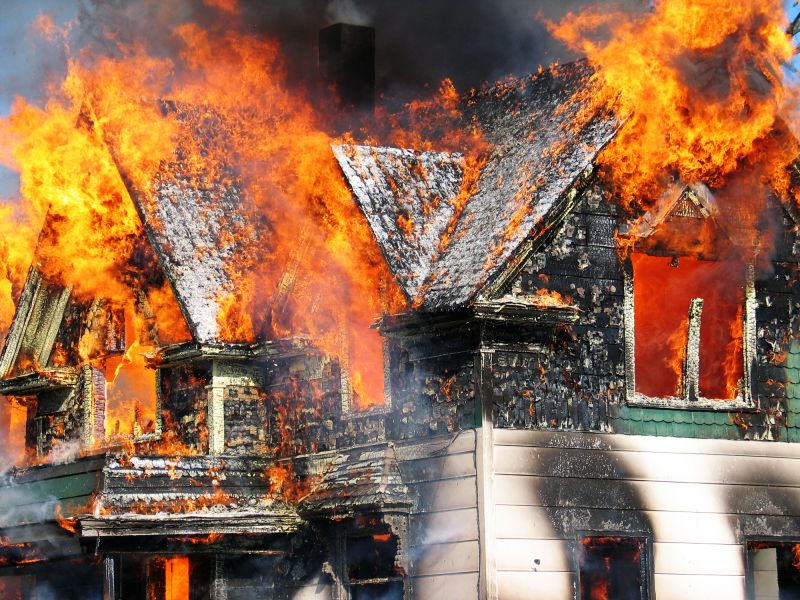
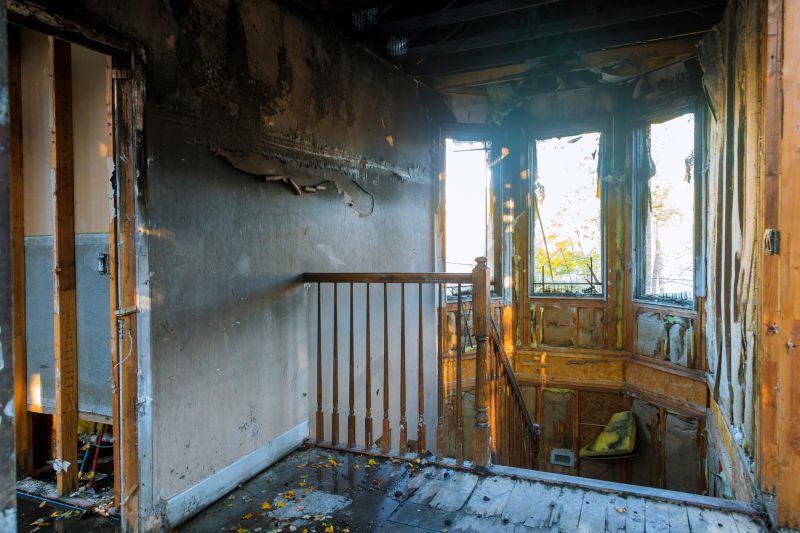
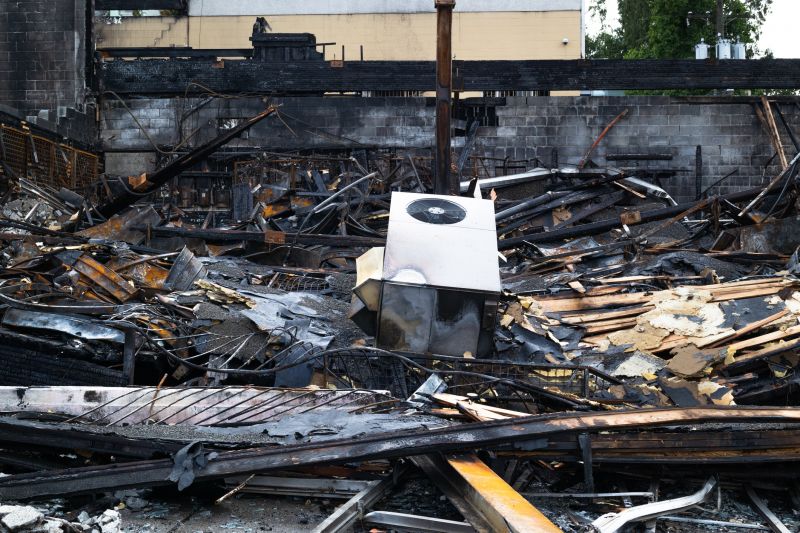
Understanding what to expect during the fire restoration process is essential for homeowners facing the aftermath of a fire. When searching for this topic, many are looking for a clear overview of the steps involved in restoring a property after fire damage. This includes insights into how fire, smoke, and soot affect different areas of a home or commercial building, and what kind of work is necessary to return the property to a safe and livable condition. Homeowners often want to know how the process unfolds, what kind of disruptions might occur, and how local contractors can assist in managing the damage effectively. Recognizing these aspects helps individuals prepare for the restoration journey and make informed decisions about hiring the right service providers.
The fire restoration process typically relates to problems such as structural damage, smoke residue, soot deposits, and lingering odors. Many properties affected by fires need more than just cleaning; they require extensive repairs to walls, ceilings, floors, and even electrical systems that may have been compromised. Planning for fire restoration often involves assessing the extent of damage, removing debris, and performing cleaning procedures that eliminate smoke particles from surfaces and HVAC systems. Local service providers are equipped to handle these tasks, working with homeowners to develop a tailored plan that addresses both visible damage and hidden issues, ensuring the property is thoroughly restored.
Properties that commonly come up during fire restoration projects include residential homes, apartment complexes, and small commercial buildings. Fire damage can vary widely depending on the size of the fire, the materials involved, and the building’s construction. Homes with multiple stories, attics, or basements often require specialized attention to ensure that smoke and soot are properly removed from all areas. Commercial properties, such as offices or retail spaces, may also face unique challenges due to the presence of inventory, equipment, or specialized fixtures. Local contractors experienced in fire restoration have the skills to work across different property types, providing services that restore both the structure and the environment inside.
Throughout the fire restoration process, homeowners can expect a series of coordinated steps that include initial assessment, debris removal, cleaning, repairs, and final inspections. The process is designed to address the immediate damage while also preventing future issues, such as mold growth or structural instability. Service providers play a crucial role in guiding property owners through each phase, ensuring that the work is thorough and compliant with safety standards. By working with local pros, homeowners gain access to experienced professionals who understand the complexities of fire damage and can help navigate the restoration process from start to finish, ultimately bringing the property back to a safe and functional state.
Smoke damage cleanup - professionals skilled in removing soot and odors are essential during fire restoration to restore indoor air quality and surfaces affected by smoke.
Structural repair services - these projects involve assessing and repairing compromised building elements, closely related to fire damage assessment and restoration planning.
Content cleaning and restoration - local contractors specializing in cleaning personal belongings and household items are often involved in fire damage recovery efforts.
Mold remediation - after fire damage, moisture control and mold prevention are critical, requiring expertise similar to fire restoration planning and mitigation.
Water damage restoration - often necessary due to firefighting efforts, this work involves drying and repairing water-affected areas, complementing fire damage services.
Hazardous material removal - handling remnants like asbestos or chemicals from fire-damaged structures requires specialized skills aligned with fire restoration safety protocols.
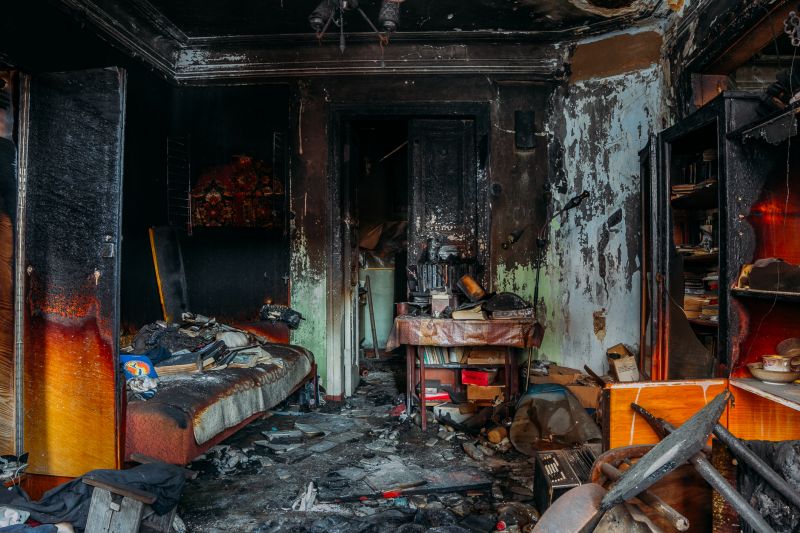
When evaluating fire restoration service providers, it is important to consider their experience with similar projects. Homeowners should inquire about the types of fire damage they have handled and how familiar they are with the specific challenges that can arise during the fire restoration process. Service providers with a proven track record in fire damage repair are more likely to understand the necessary steps and potential issues, helping to ensure the process proceeds smoothly and efficiently. Additionally, reviewing references or examples of previous work can provide insight into their capabilities and reliability, giving confidence that the chosen contractor has successfully managed projects comparable to the homeowner’s situation.
Clear, written expectations are a key component in choosing a trustworthy fire restoration contractor. Homeowners should seek detailed descriptions of what the fire restoration process will entail, including the scope of work, materials used, and the expected outcomes. Having this information documented helps prevent misunderstandings and ensures everyone is aligned on project goals. Service providers who communicate openly and provide comprehensive written plans demonstrate professionalism and transparency, which can make the restoration experience less stressful and more predictable for the homeowner.
Effective communication and reputable references are essential when selecting local contractors for fire restoration. A contractor who maintains open lines of communication allows homeowners to ask questions, express concerns, and stay informed throughout the process. Additionally, seeking out references or reviews from previous clients can help gauge the contractor’s reputation and reliability. Reliable service providers prioritize clear communication and have a history of satisfied clients, making it easier for homeowners to feel confident in their choice and to understand what to expect during the fire restoration process.
Property owners often search for what to expect during the fire restoration process when they are planning practical projects around their homes and businesses. Local pros provide Fire Restoration services for everyday jobs and straightforward project options.
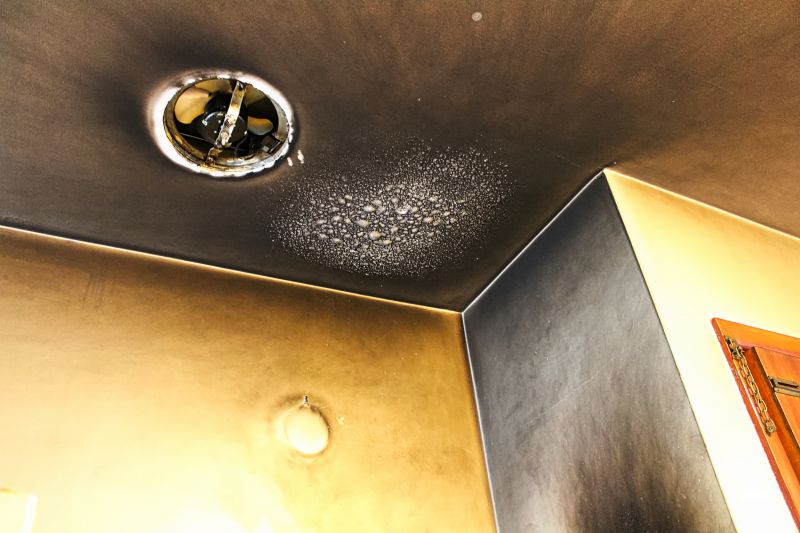
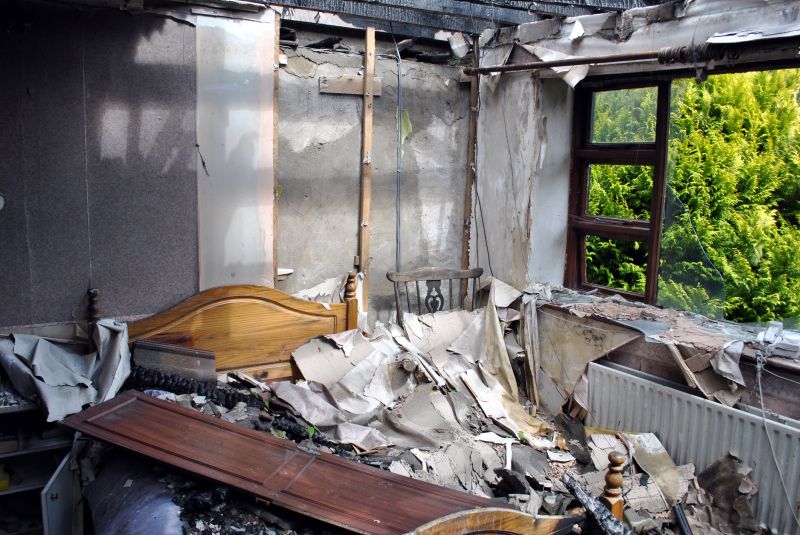
During the fire restoration process, property owners can expect a series of coordinated efforts by experienced local contractors to address fire and smoke damage. Initially, the focus is on assessing the extent of the damage, which helps determine the necessary cleanup and repair steps. This often involves removing debris, cleaning soot from surfaces, and ventilating the space to reduce lingering odors. Homeowners and business owners might notice that the process can be disruptive, especially when belongings and structural elements need to be carefully handled to prevent further damage.
As the restoration progresses, local service providers work on restoring the property’s structural integrity and ensuring the environment is safe and livable again. This can include repairing or replacing damaged drywall, flooring, and insulation, as well as addressing water damage caused by firefighting efforts. Property owners seeking fire restoration services often look for local pros to help navigate these steps efficiently, understanding that each phase is part of a comprehensive effort to return the space to its pre-fire condition.
What is the typical sequence of steps during fire restoration? Local contractors usually begin with assessment and debris removal, followed by cleaning and smoke odor treatment, then repair and reconstruction to restore the property to its pre-fire condition.
How do professionals handle smoke and soot damage? Service providers use specialized cleaning methods and equipment to thoroughly remove smoke residue and soot from surfaces, helping to improve air quality and prevent further damage.
What should I expect during the structural repair process? Once damage assessment is complete, local contractors perform necessary repairs to walls, ceilings, and floors, ensuring the structure is safe and sound before finishing touches are applied.
Will the restoration process include odor removal? Yes, many service providers utilize odor treatment techniques such as ozone treatment or thermal fogging to eliminate lingering smoke smells from the property.
What kind of cleaning is involved in fire restoration? Fire restoration services typically include thorough cleaning of all affected areas, including carpets, furniture, and personal belongings, to remove soot, smoke particles, and residues.
Initial assessment and inspection - Local contractors will evaluate the extent of fire and smoke damage to determine the necessary restoration steps.
Content cleaning and deodorization - Service providers will use specialized methods to clean surfaces and eliminate lingering odors caused by smoke and soot.
Structural repairs and rebuilding - Professionals can handle repairs to damaged framing, drywall, and other structures to restore safety and stability.
Final cleaning and restoration - Restoration experts will perform thorough cleaning to prepare the property for occupancy and ensure all smoke residues are removed.
If you are thinking about what to expect during the fire restoration process for a property, this guide is meant to help you understand this topic, the typical project types, and how different options might fit your plans.
When you are ready, you can use the quote form on this page to share a few details about your project. From there, local pros can review the basics and follow up with options that match what you have in mind.